

Curtain Bangs: What They Are and Who They Suit
Curtain bangs are a soft, centre-parted fringe that sweeps away from the face on each side, like open curtains. They are one of the most-requested and most forgiving fringe styles because they frame the face without the commitment of a blunt fringe. Here is what they are, who they suit, and the variations worth trying — each previewable on your own photo.
Why curtain bangs flatter almost everyone
Because they part in the middle and taper longer toward the cheekbones, curtain bangs add face-framing softness without covering the whole forehead. They open up round faces, soften square jaws, balance long faces and suit heart shapes — which is why they work across nearly every face shape.
They are also low-commitment: they grow out gracefully into face-framing layers, so there is no awkward regrowth stage.
Curtain bang variations to try
From a soft lob to a bardot-style sweep, the exact look changes with length and texture. Try a few on your own photo to see which suits your hair before you book the salon.
Curtain bangs vs full fringe vs wispy bangs
The quickest way to choose is by how much forehead you want covered. A full (blunt) fringe sits heavy across the brow and needs frequent trims; curtain bangs part in the middle and sweep away, so they frame the face without hiding it and grow out far more gracefully.
Wispy bangs are the lightest of the three — thin, feathered and see-through — while curtain bangs carry a little more weight and taper longer toward the cheekbones. Want the softest, lowest-commitment version? Go wispy. Want face-framing shape that still reads as a fringe? Curtain bangs are the middle ground. Try each on your own photo before you decide.
Growing out curtain bangs, and fixing an uneven cut
Curtain bangs are one of the easiest fringes to grow out: because the shortest pieces already fall at the cheekbone, they blend into face-framing layers instead of leaving an awkward blunt line. A trim every eight weeks keeps the taper clean while the length catches up.
If a fresh cut came out too short or uneven, resist cutting more. Sweep the bangs to one side with a round brush, pin the shorter pieces back, and have a stylist point-cut the ends to soften them — most botched curtain bangs are a styling fix, not a regrowth wait.
Curtain Bang Lob
The classic: soft curtain bangs on a chin-grazing lob.

Bob with Curtain Bangs
Curtain bangs paired with a blunt bob for a sharper frame.

Grown-Out Curtain Bangs
Longer, lived-in curtain bangs that blend into layers.

Curly Bob with Bangs
Curtain bangs adapted for curly texture.

Wispy Fringe
A lighter, wispier take on the curtain shape.

Birkin Bangs
Full, 70s-inspired curtain bangs.

Bardot Bangs
A voluminous, swept curtain fringe with extra body.

Torn Bangs
Piecey, separated curtain bangs for an undone look.

Curtains Hairstyle
Curtain bangs styled on shorter men's lengths.
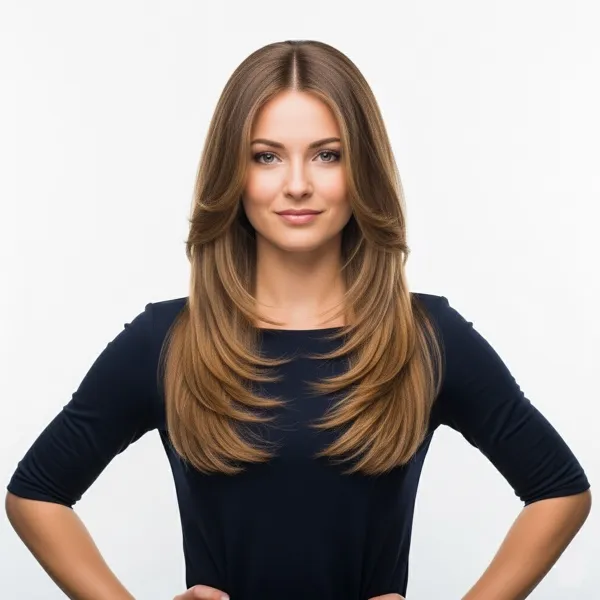
Face-Framing Layers
What grown-out curtain bangs become — soft framing layers.